Arizona is famous for its dramatic desert landscapes, intense summer heat, and spectacular monsoon thunderstorms. But the same storms that bring much-needed rainfall can also produce frequent lightning, strong winds, and sudden electrical surges that put homes, businesses, trees, and other structures at risk.
For Arizona property owners, lightning protection is about more than preparing for an occasional storm. A properly designed lightning protection system provides a controlled path for lightning current to travel safely toward the ground, helping reduce the risk of structural damage, fire, and damage to electrical systems.
Understanding Arizona’s unique lightning environment—and preparing before monsoon storms arrive—can help protect your property when severe weather moves through the area.
Why Is Lightning a Concern During Arizona’s Monsoon Season?
Arizona’s monsoon season typically brings an increase in moisture, thunderstorms, heavy rain, strong winds, blowing dust, and lightning. Thunderstorms can develop quickly, and lightning may occur even when rainfall at a particular property is limited.
While many people associate Arizona primarily with dry desert weather, summer thunderstorms can be intense. Homes and buildings located on open land, elevated terrain, large residential lots, ranches, farms, and properties with tall trees may be particularly exposed.
Lightning does not have to strike a building directly to cause problems. Nearby strikes can also create electrical surges that may affect wiring, electronics, appliances, security systems, HVAC equipment, and other connected systems.
What Does a Lightning Protection System Do?
A professionally designed lightning protection system does not prevent lightning from occurring. Instead, its purpose is to intercept a lightning strike and provide a controlled, low-resistance path for the electrical current to travel toward the earth.
A complete system may include:
- Air terminals (lightning rods) positioned at appropriate locations on the structure
- Conductors that provide pathways for lightning current
- Grounding electrodes that help dissipate the electrical energy into the earth
- Bonding of appropriate metallic systems to reduce dangerous differences in electrical potential
- Surge protection to help protect electrical and electronic equipment from transient voltage
These components are designed to work together as a system rather than as individual devices.
Arizona Homes Can Be Especially Vulnerable
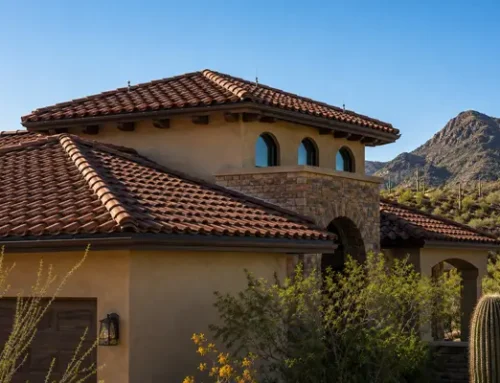
Arizona has a wide variety of residential architecture, from single-story desert homes and large custom residences to ranch properties and luxury homes built on elevated terrain.
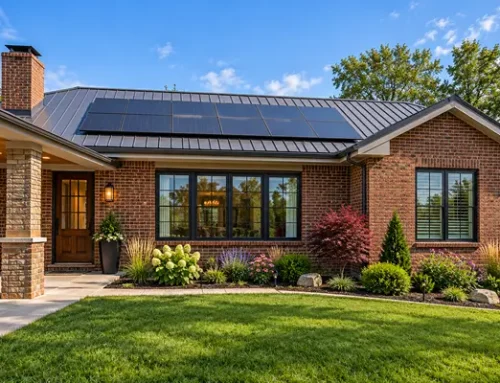
Some properties also incorporate features such as rooftop HVAC equipment, solar panels, metal architectural elements, detached garages, workshops, guest houses, gates, security systems, pools, and extensive outdoor electrical equipment.
A lightning protection system should therefore be designed around the specific structure rather than approached as a one-size-fits-all installation.
For homeowners concerned about lightning exposure, a professional evaluation can determine the appropriate placement of air terminals, conductors, grounding, bonding, and other system components.
What About Solar Panels?
Solar energy is particularly popular in Arizona because of the state’s abundant sunshine. As more homes and commercial properties install rooftop solar systems, lightning and surge protection deserve additional consideration.
Solar panels themselves do not necessarily cause lightning to strike a property. However, photovoltaic systems contain electrical components, wiring, inverters, and other equipment that may be vulnerable to electrical surges.
When a property has solar panels, the lightning protection system should be designed with the rooftop configuration and electrical systems in mind.
Lightning Protection for Arizona Businesses
Commercial properties can face significant consequences from lightning-related damage.
A lightning event may affect more than the building itself. Electrical equipment, computers, communications systems, security equipment, fire alarm systems, machinery, refrigeration, HVAC systems, and other critical infrastructure can potentially be affected by electrical disturbances.
Lightning protection may be considered for many types of Arizona properties, including:
- Offices
- Warehouses
- Manufacturing facilities
- Retail buildings
- Schools
- Churches and religious facilities
- Medical and professional buildings
- Multi-family properties
- Agricultural facilities
- Storage buildings
- Industrial structures
The appropriate protection strategy depends on the building’s construction, size, roof configuration, electrical systems, exposure, and other site-specific factors.
Farms, Ranches and Agricultural Buildings Need Attention Too
Lightning protection is not limited to homes and commercial buildings.
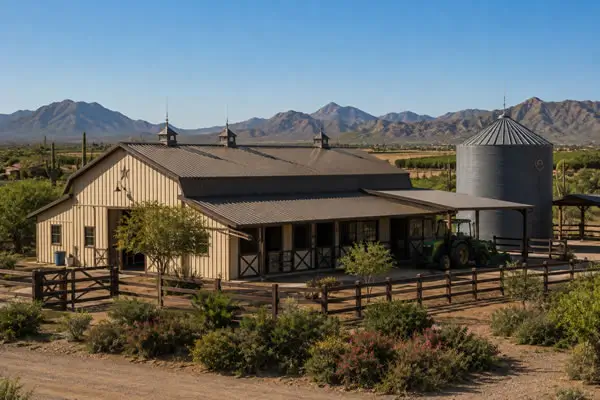
Arizona has extensive agricultural and ranching areas containing barns, equipment buildings, workshops, storage facilities, livestock structures, fencing, irrigation equipment, and other valuable assets.
Agricultural buildings are frequently located in open areas where there may be relatively few taller structures nearby. Some may also contain combustible materials, equipment, electrical systems, fuel, or other property that owners want to protect.
A properly designed lightning protection system can be adapted to barns, agricultural structures, workshops, and other rural buildings.
Don’t Forget Large Trees
Mature trees can be valuable parts of Arizona landscapes, particularly where large trees provide shade around homes, commercial properties, parks, resorts, ranches, and historic sites.
Tall or prominent trees may be susceptible to lightning strikes. A direct strike can cause extensive damage to a tree and may also create risks for nearby structures or people.
Lightning protection systems can be installed on certain valuable trees to provide a preferred conductive path from the upper portion of the tree toward a grounding system.
Tree lightning protection should be evaluated and installed by professionals familiar with both lightning protection principles and the special requirements associated with trees.
Lightning Protection and Surge Protection Are Not the Same Thing
One common misconception is that a whole-house surge protector provides the same protection as a structural lightning protection system.
They serve different purposes.
Structural lightning protection is designed to intercept a direct lightning strike and conduct the lightning current safely toward the ground.
Surge protection is designed to limit transient overvoltages that can enter electrical and electronic systems.
For more comprehensive protection, these measures may be used together as part of an overall lightning protection strategy.
When Should Arizona Property Owners Consider Lightning Protection?
The best time to think about lightning protection is before a severe thunderstorm is approaching.
Property owners may want to consider an evaluation when:
- Building a new home or commercial property
- Purchasing a property without an existing system
- Renovating or adding onto a structure
- Installing rooftop equipment or solar panels
- Protecting a large custom home
- Protecting a barn, ranch, or agricultural building
- Protecting valuable mature trees
- Replacing or modifying a roof
- Evaluating an older lightning protection system
- Preparing a property for Arizona’s monsoon season
Existing systems should also be inspected periodically and after significant roofing, construction, or structural changes.
Why Professional Installation Matters
Lightning protection involves much more than placing several rods on a roof.
The location of air terminals, routing of conductors, bonding, grounding, connections, roof penetrations, building materials, structural configuration, and other factors all affect system design.
Improperly designed or incomplete systems may not provide the protection a property owner expects.
Deseret Lightning Protection provides professional lightning protection services for residential, commercial, agricultural, and other properties throughout Arizona. Systems can be designed for both new construction and existing structures, including installations, retrofits, inspections, grounding, and related lightning protection services.
Preparing Arizona Properties for Monsoon Season
Arizona’s monsoon storms are part of living and doing business in the Southwest. While thunderstorms cannot be controlled, property owners can take practical steps to prepare for the risks associated with lightning.
A properly designed lightning protection system can help provide a controlled path for lightning current, while appropriate grounding, bonding, and surge protection can provide additional layers of protection.
Whether you own a home in the Phoenix metropolitan area, a commercial property in Tucson, a ranch outside the major cities, or a property surrounded by valuable mature trees, lightning protection should be considered as part of an overall approach to protecting the property.
Professional Lightning Protection in Arizona
Deseret Lightning Protection provides lightning protection system design, installation, retrofit, inspection, grounding, and related services for properties throughout Arizona.
We work with homeowners, contractors, businesses, property managers, agricultural property owners, and others seeking professionally designed lightning protection solutions.
Protect your Arizona property before the next storm arrives. Contact Deseret Lightning Protection to discuss your home, business, agricultural building, or other property.
Frequently Asked Questions
Does Arizona get enough lightning to need lightning protection?
Arizona experiences significant thunderstorm and lightning activity, particularly during the summer monsoon season. Whether a particular property should have a lightning protection system depends on factors such as location, structure type, exposure, construction, occupancy, and the potential consequences of lightning damage.
Do lightning rods attract lightning?
Lightning rods are not installed to attract thunderstorms or increase the likelihood that lightning will strike a property. They are components of a system designed to intercept a strike that would otherwise occur in the protected area and provide a controlled path toward the grounding system.
Can lightning protection be installed on an existing Arizona home?
Yes. Lightning protection systems can often be retrofitted onto existing homes and buildings. The installation should be designed specifically for the structure and its roof, construction, electrical systems, and architectural features.
Can lightning protection be installed on homes with solar panels?
Yes. A lightning protection system can be designed for buildings with solar panels. The solar array, electrical equipment, wiring, bonding, grounding, and surge protection should be considered as part of the overall system design.
Is surge protection enough to protect a house from lightning?
Surge protection and structural lightning protection serve different functions. Surge protective devices help limit transient electrical surges, while a structural lightning protection system is designed to intercept and conduct lightning current toward the earth.
Can barns and agricultural buildings have lightning protection systems?
Yes. Lightning protection can be designed for barns, agricultural buildings, equipment structures, workshops, storage buildings, and other rural properties.
Can large trees be protected from lightning?
Certain high-value or prominent trees can be equipped with lightning protection systems designed to provide a conductive path from the upper portion of the tree toward the ground.