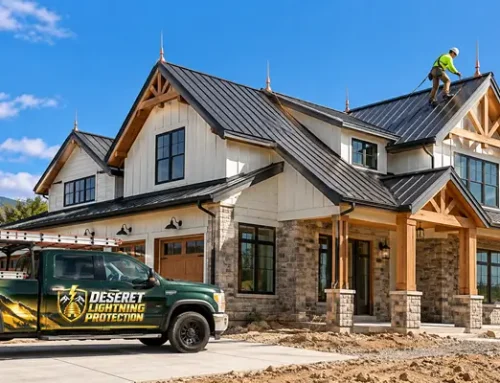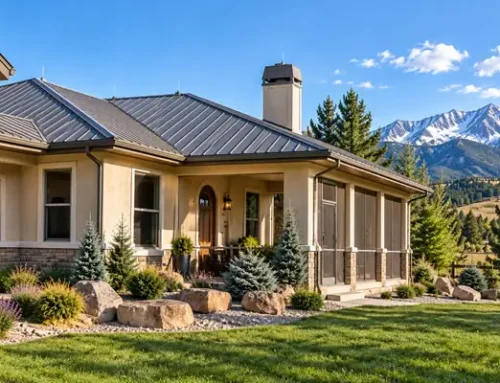
Owning a home in the Colorado mountains comes with spectacular views, changing weather conditions, and property characteristics that can be very different from homes in more developed urban areas. Mountain homes may sit at higher elevations, occupy exposed terrain, or be located far from neighboring structures.
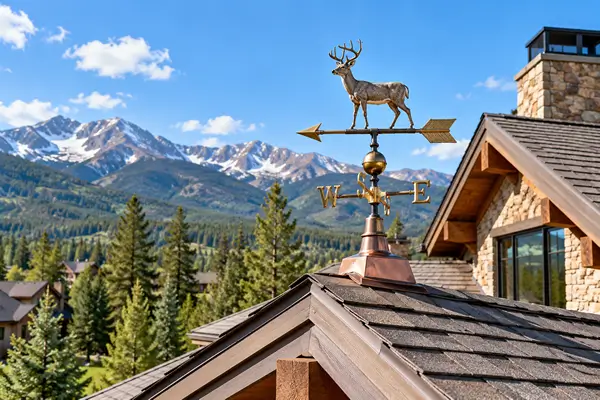
For homeowners in Colorado’s mountain communities, lightning is one of the weather-related factors worth considering when evaluating how to protect a property.
A professionally designed lightning protection system provides a controlled path for lightning current to travel toward the earth, helping reduce the risk of lightning traveling through vulnerable portions of a structure.
Why Colorado Mountain Homes Are Different
Mountain properties vary considerably. Some homes are located on exposed ridges or hillsides, while others are surrounded by trees or situated within valleys. Elevation, terrain, roof configuration, building materials, and nearby structures can all influence how a lightning protection system should be designed.
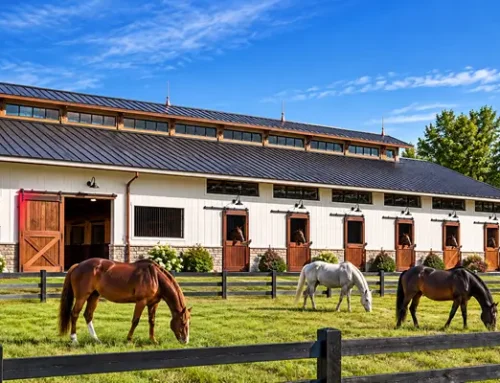
Colorado mountain homes may also include detached garages, barns, workshops, guest houses, equipment buildings, or other structures located elsewhere on the property.
Because every property is different, lightning protection should be designed around the individual structure rather than using a standard configuration for every home.
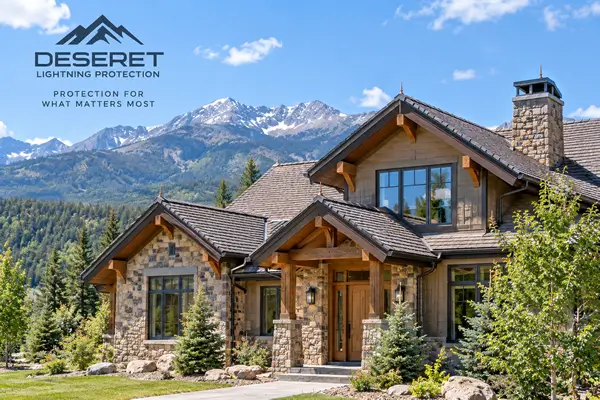
Lightning Activity in Colorado
Thunderstorms and lightning are common during Colorado’s warmer months, including in mountain areas.
The National Weather Service provides extensive information about lightning activity and safety in Colorado, including historical lightning data and information about thunderstorms across the state.
Mountain weather can also change quickly, making lightning awareness particularly important for people living, working, and spending time outdoors at higher elevations.
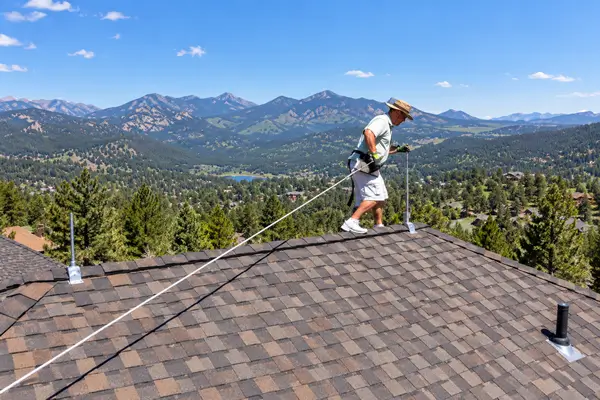
How a Lightning Protection System Works
Lightning rods are only one component of a complete lightning protection system.
A professionally designed residential system may include:
- Air terminals, commonly called lightning rods
- Conductors
- Grounding electrodes
- Bonding
- Connections and fittings
- Grounding components
- Surge protective devices as part of a broader protection approach
These components work together to intercept lightning and provide a conductive path toward the earth.
The National Weather Service explains that lightning rods do not attract lightning or prevent lightning from occurring. Instead, a properly installed system provides a path for electrical current to travel toward the ground.
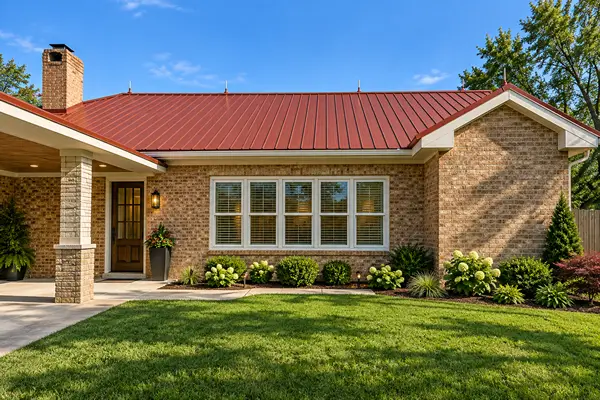
Lightning Rod Installation on Mountain Homes
Mountain homes can have complex architectural designs, including steep roofs, multiple roof levels, chimneys, dormers, decks, and other structural features.
A lightning protection system should take the home’s actual construction and roof configuration into consideration.
Air terminals are strategically positioned and connected through conductors to grounding components. The design and placement of these components should be based on the structure rather than simply installing a few lightning rods at convenient locations.
What About Homes Surrounded by Tall Trees?
Having tall trees near a home does not eliminate the need to consider lightning protection.
Lightning can strike trees, structures, utility systems, and other objects. A nearby tree should not be considered a substitute for a properly designed structural lightning protection system.
Colorado properties with large or prominent trees may also have additional considerations depending on the location of the trees in relation to the home and other structures.
Existing Mountain Homes Can Be Retrofitted
Lightning protection systems are not limited to new construction.
Many existing Colorado mountain homes can be evaluated for a retrofit lightning protection system. The installation approach depends on factors such as the home’s construction, roofing materials, roof configuration, accessibility, and property layout.
For new mountain homes, lightning protection can often be coordinated with the builder or contractor during construction.
Roof Replacement and Existing Lightning Protection
If a mountain home already has lightning protection, major roofing work can affect the existing system.
Air terminals, conductors, connections, and other components may need to be moved or temporarily disconnected during roof replacement.
After roofing work is completed, the lightning protection system should be evaluated to determine whether components were moved, damaged, disconnected, or improperly reinstalled.
Don’t Forget Detached Structures
Many Colorado mountain properties include more than the primary residence.
Depending on the property, this may include:
- Detached garages
- Workshops
- Barns and stables
- Guest houses
- Equipment buildings
- Storage structures
These buildings should be considered when evaluating the overall property rather than assuming that protection of the main residence automatically addresses every structure on the property.
Do All Colorado Mountain Homes Need the Same System?
No. Lightning protection systems should be designed around the individual property.
A small mountain cabin has different characteristics from a large custom residence with several roof levels and detached buildings. Terrain, elevation, construction, roof design, property layout, and existing systems can all affect the appropriate approach.
A professional evaluation can help determine what type of lightning protection system is appropriate for a particular Colorado property.
Lightning Protection for Colorado Mountain Properties
Deseret Lightning Protection provides professional lightning protection system design, installation, inspection, maintenance, repair, and retrofit services for Colorado homes and properties.
We work with homeowners throughout Colorado, including mountain, rural, residential, and custom properties.
Learn more about our Colorado Lightning Protection Systems services or our Residential Lightning Protection solutions for new and existing homes.
Contact Deseret Lightning Protection to discuss lightning protection for your Colorado mountain property.
Thunderstorms and lightning are common during Colorado’s warmer months, including in mountain areas. The National Weather Service Colorado Lightning Resource provides information about lightning activity, lightning climatology, and lightning flash data throughout the state.
The National Weather Service explains how lightning rods and lightning protection systems work, including the role of conductors, grounding, bonding, and surge protection in a complete system.
Protect Your Colorado Property with Professional Lightning Protection
Whether you own a mountain home, residential property, ranch, or commercial building, a properly designed lightning protection system can provide an important layer of protection for your property. Deseret Lightning Protection provides professional system design, installation, inspections, repairs, and maintenance throughout the state. Learn more about our Colorado Lightning Protection services and contact our team to discuss the right solution for your property.