When people think of Arizona weather, intense sunshine, desert landscapes, and high temperatures usually come to mind first. But does Arizona get a lot of lightning? The answer is yes. Arizona experiences significant thunderstorm and lightning activity, particularly during the summer monsoon season.
From Phoenix and Tucson to Flagstaff and communities throughout central and southern Arizona, thunderstorms can develop quickly and bring frequent lightning, strong winds, and heavy rain. For Arizona property owners, understanding the state’s lightning risk is an important part of protecting homes, businesses, agricultural properties, and other structures.
Why Does Arizona Get So Much Lightning?
Much of Arizona’s lightning activity is associated with the North American Monsoon, which typically affects the state during the summer.
During much of the year, Arizona’s climate is extremely dry. In the summer, however, increased moisture combined with intense daytime heating can create favorable conditions for thunderstorms. As warm air rises and interacts with moisture in the atmosphere, powerful storm clouds can develop.
These storms may produce:
- Frequent cloud-to-ground lightning
- Strong wind gusts
- Heavy rainfall
- Flash flooding
- Dust storms
- Hail in some areas
- Sudden changes in weather conditions
A day can begin with clear Arizona skies and transition to thunderstorms surprisingly quickly.
When Is Lightning Most Common in Arizona?
Arizona’s most active period for thunderstorms and lightning is generally during the summer monsoon season, particularly from July through September.
Afternoon and evening thunderstorms are especially common because Arizona’s intense daytime heat helps create atmospheric instability. Mountainous areas can experience substantial thunderstorm activity, but lightning is certainly not limited to higher elevations.
Communities throughout the Phoenix metropolitan area and southern Arizona can also experience powerful thunderstorms.
Arizona Is One of the More Lightning-Active Western States
Although states such as Florida are often associated with the highest lightning activity in the United States, Arizona stands out in the western U.S. because of its active summer thunderstorm season.
Arizona’s combination of desert heat, monsoon moisture, mountains, and rapidly developing storms creates an environment where lightning can occur frequently during certain times of the year.
The important consideration for property owners isn’t simply how Arizona compares with another state. A single direct or nearby lightning strike can potentially cause significant damage.
Where Does Lightning Occur in Arizona?
Lightning can occur throughout Arizona, although the frequency varies considerably by location, elevation, season, and weather pattern.
Thunderstorms regularly affect areas around:
- Phoenix and the Valley
- Scottsdale
- Mesa
- Chandler
- Gilbert
- Queen Creek
- Tucson
- Prescott
- Flagstaff
- Payson
- Sedona
- Rural and agricultural areas throughout the state
Higher-elevation areas can experience frequent summer thunderstorms, while desert communities may experience intense lightning during monsoon storms.
Can Lightning Strike Homes in Arizona?
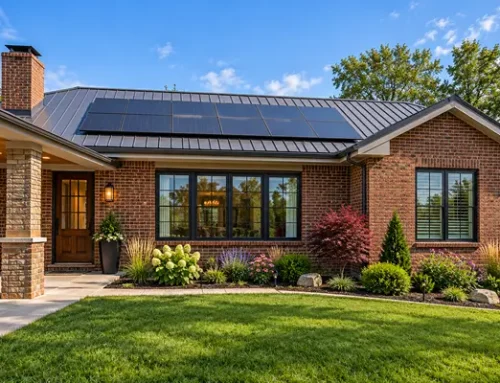
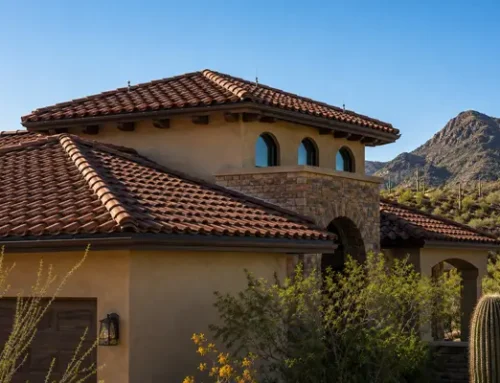
Yes. Homes can be struck by lightning, and Arizona’s seasonal thunderstorm activity makes lightning protection worth considering, particularly for properties with greater exposure.
A lightning strike may affect a home’s roof, electrical system, electronics, wiring, appliances, and other components. Lightning can also create a fire risk when its energy travels through combustible portions of a structure.
Homes that are isolated, elevated, located in open areas, or have prominent roof features may warrant additional consideration when evaluating lightning exposure.
What About Commercial Buildings?
Arizona commercial and industrial properties can also benefit from evaluating their lightning risk.
Lightning-related damage can potentially affect much more than the building itself. Modern businesses depend heavily on electrical and electronic equipment, including:
- Computers and servers
- Security systems
- HVAC equipment
- Telecommunications
- Building automation systems
- Manufacturing equipment
- Electronic controls
For businesses, a lightning-related event can potentially result in equipment damage and operational downtime.
Arizona Farms, Barns and Agricultural Properties
Agricultural structures present another important consideration.
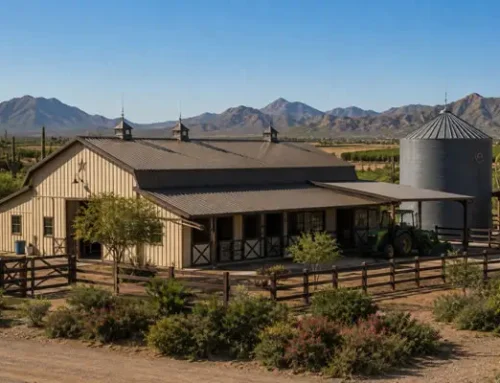
Barns, equipment buildings, storage facilities, workshops, and other structures may be relatively isolated or located in large open areas. Some may also contain combustible materials or expensive equipment.
A professionally designed lightning protection system for agricultural buildings can provide a controlled path for lightning energy to travel toward the ground rather than through vulnerable portions of the structure.
What About Lightning Protection for Trees?
Arizona has many valuable mature trees on residential, commercial, municipal, resort, golf course, and agricultural properties.
Large or prominent trees can sometimes be vulnerable to lightning strikes. Lightning protection systems can be designed for certain high-value trees where protection is appropriate.
Tree lightning protection is especially worth evaluating when a mature tree is particularly valuable, historically significant, or located close to a home or other structure.
How Does a Lightning Protection System Work?
A properly designed lightning protection system does not prevent lightning from occurring or stop a storm from reaching your property.
Instead, the purpose of the system is to provide a controlled, low-resistance path for lightning current to travel safely toward the earth.
Depending on the property and system design, a complete lightning protection system may incorporate:
- Air terminals (lightning rods)
- Conductors
- Grounding electrodes
- Bonding
- Connections between system components
- Surge protection as part of a comprehensive protection strategy
These components work together as a system rather than as individual lightning rods installed randomly on a roof.
Are Lightning Rods Necessary in Arizona?
Not every Arizona property has the same level of lightning exposure, so there isn’t one answer that applies to every building.
Factors that may be considered include the property’s location, height, construction, surrounding terrain, occupancy, use, value, and exposure to thunderstorms.
For property owners concerned about lightning, a professional assessment can help determine whether a lightning protection system is appropriate and how it should be designed.
Lightning Protection for Arizona Properties
Arizona may be famous for sunshine, but its summer monsoon storms are a reminder that the state also experiences significant lightning activity.
Deseret Lightning Protection provides professional lightning protection solutions for residential, commercial, industrial, agricultural, and other properties throughout Arizona. Services can include lightning protection system design, installation, inspection, retrofit, grounding, bonding, and related protection solutions.
If you are building a new property or want to evaluate an existing structure, planning ahead can help ensure that lightning protection is properly incorporated into the building.
Protecting Arizona Properties During Lightning Season
So, does Arizona get a lot of lightning? Yes—especially during the summer monsoon season.
Arizona’s combination of extreme heat, seasonal moisture, and powerful thunderstorms makes lightning an important weather hazard for property owners to consider.
A professionally designed lightning protection system provides a dedicated path for lightning current to reach the ground, helping protect structures when a strike occurs.
Deseret Lightning Protection serves property owners throughout Arizona with professionally designed lightning protection systems for homes, businesses, farms, barns, and other structures.
Protect Your Arizona Property with Professional Lightning Protection
Whether you own a home, commercial property, ranch, or other structure in Arizona, a properly designed lightning protection system can provide an important layer of protection for your property. Deseret Lightning Protection provides professional system design, installation, inspections, repairs, and maintenance throughout the state. Learn more about our Arizona Lightning Protection services and contact our team to discuss the right solution for your property.