When people think about weather risks in Arizona, extreme heat and flash flooding often come to mind first. Lightning may receive less attention, but thunderstorms—particularly during Arizona’s summer monsoon season—can produce frequent and powerful lightning.
For homeowners, a lightning strike can potentially affect much more than the roof. Electrical wiring, appliances, HVAC equipment, security systems, electronics, solar equipment, and other connected systems may also be vulnerable to lightning and electrical surges.
So, does every Arizona home need a lightning protection system? Not necessarily. However, there are several factors Arizona homeowners should consider when deciding whether professional lightning protection makes sense for their property.
How Common Is Lightning in Arizona?
Arizona’s climate is dry for much of the year, but conditions change dramatically during the summer monsoon season. Moisture combined with intense daytime heating can create thunderstorms capable of producing lightning, heavy rainfall, strong winds, and blowing dust.
Thunderstorms can develop quickly, particularly during the warmer months.
Lightning can occur across the state, including the Phoenix metropolitan area, Tucson and Southern Arizona, as well as higher-elevation communities in Northern Arizona.
For homeowners, the important question isn’t simply whether lightning occurs in Arizona—it is how exposed a particular property may be when thunderstorms develop.
Which Arizona Homes May Have Greater Lightning Exposure?
Every property is different, but certain characteristics may make homeowners more interested in lightning protection.
Homes on Open or Elevated Land
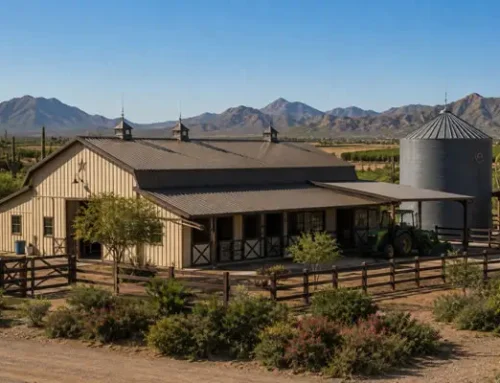
A house located on open desert property, a large lot, ranch land, or elevated terrain may have fewer nearby structures surrounding it.
Large custom homes and properties situated prominently on hillsides or open terrain may therefore warrant a closer evaluation of lightning exposure.
Homes With Tall Rooflines
Arizona architecture varies considerably. While many homes are single-story structures, others have multiple levels, towers, chimneys, parapets, rooftop equipment, or architectural features that change the property’s overall profile.
A lightning protection system should take the entire roof configuration into consideration.
Homes With Solar Panels
Arizona is one of the country’s most natural markets for solar energy.
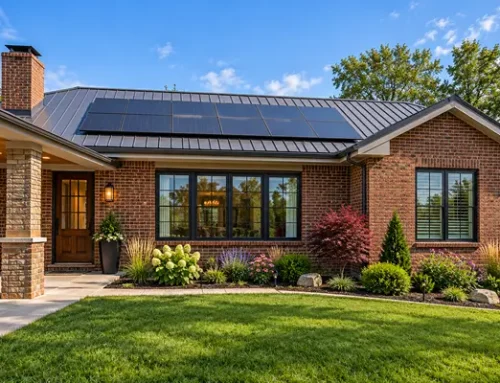
Solar panels do not necessarily increase the likelihood that a house will be struck by lightning. However, a photovoltaic system adds electrical equipment, rooftop components, wiring, and inverters that should be considered when evaluating lightning and surge protection.
A professional lightning protection design can account for the solar installation as part of the overall structure.
Homes With Expensive Electronics and Smart Technology
Modern Arizona homes may contain substantially more electronic equipment than homes built just a few decades ago.
A property may include:
- Smart-home systems
- Computers and networking equipment
- Security cameras
- Alarm systems
- Automated gates
- Home theater equipment
- Pool and spa equipment
- Irrigation controllers
- HVAC systems
- Electric vehicle charging equipment
- Solar equipment
- Outdoor lighting and landscape controls
This makes protection against electrical surges an increasingly important consideration.
What Happens When Lightning Strikes a House?
Lightning involves an enormous electrical discharge seeking paths toward the earth.
When a structure is directly struck, lightning current may travel through conductive building components, electrical systems, plumbing, wiring, metal components, or other available paths.
The resulting effects can potentially include structural damage, fire, electrical damage, and damage to connected equipment.
A lightning strike does not necessarily have to hit the house directly to cause electrical problems. Nearby strikes can also create transient electrical surges capable of traveling through utility and communication systems.
This is one reason structural lightning protection and surge protection should be viewed as complementary—not interchangeable—forms of protection.
How Does a Residential Lightning Protection System Work?
A properly designed residential lightning protection system creates an intentional path for lightning current.
Rather than allowing a strike to find unpredictable routes through the structure, the system is designed to intercept the lightning and conduct the current toward the earth.
A typical system may incorporate several important components.
Air Terminals
Often referred to as lightning rods, air terminals are strategically positioned around the roof and other appropriate portions of the structure.
They are only one component of the complete system.
Conductors
Conductors connect components of the system and provide paths for lightning current to travel from the upper portions of the building toward the grounding system.
Grounding
Grounding electrodes help transfer and dissipate lightning current into the earth.
Arizona soil and site conditions can vary considerably, so grounding should be evaluated as part of the property’s overall lightning protection design.
Bonding
Appropriate metallic systems may need to be bonded to reduce dangerous differences in electrical potential during a lightning event.
Surge Protection
Surge protective devices provide another layer of protection for electrical systems and equipment.
Surge protection is particularly worth considering in modern homes containing sensitive electronics, smart technology, solar equipment, and other valuable electrical systems.
Are Lightning Rods Noticeable on a Home?
This is an important concern for many homeowners, particularly owners of custom and luxury homes.
Modern lightning protection systems can often be designed to minimize their visual impact.
Air terminals are relatively small components, and conductors can often be routed in ways that complement the architecture and roofline. The exact installation depends on the home’s construction, roof materials, layout, and system requirements.
The objective is to provide appropriate protection while keeping the installation as unobtrusive as practical.
Lightning Protection for Arizona Luxury Homes
Arizona has many custom and luxury residential communities, particularly throughout areas such as Scottsdale, Paradise Valley, Phoenix and surrounding communities.
These homes may contain extensive electrical systems, sophisticated automation, rooftop equipment, outdoor living areas, pools, security systems, solar panels, and valuable electronics.
For these properties, the potential cost of lightning-related damage can extend far beyond basic structural repairs.
A professionally designed system can be incorporated into both new construction and existing luxury residences.
When lightning protection is considered during the design or construction stage, there may also be opportunities to integrate portions of the system more discreetly into the building.
What About Flat-Roof Arizona Homes?
Flat and low-slope roofs are common architectural features in Arizona.
Lightning protection can be designed for these structures as well.
The number and placement of air terminals, routing of conductors, rooftop equipment, parapets, solar arrays, HVAC equipment, and other features must all be considered when designing the system.
This is another reason a residential lightning protection system should be designed for the individual property rather than treated as a generic installation.
Can Lightning Protection Be Added to an Existing Home?
Yes.
Homeowners do not need to be constructing a new house to consider lightning protection. Systems can often be retrofitted onto existing homes.
A professional can evaluate the structure, roof configuration, electrical systems, grounding conditions, solar equipment, architectural features, and other relevant factors before developing an appropriate design.
Lightning protection should also be considered when a home undergoes major renovations or roof replacement.
If a house already has a lightning protection system and the roof is being replaced, the system should be properly addressed as part of the roofing project rather than simply removed or altered.
Lightning Protection for Trees Near Arizona Homes
Large trees can be valuable assets in Arizona, where mature shade trees may be difficult and expensive to replace.
Some properties have tall trees close to the home, guest house, pool, driveway, outdoor living area, or other structures.
Certain valuable trees can be equipped with lightning protection systems. These systems are intended to provide a conductive path that helps direct lightning current toward the ground.
Tree lightning protection may be worth considering for particularly prominent, historic, valuable, or strategically located trees.
Is a Whole-House Surge Protector Enough?
A whole-house surge protective device is valuable, but it does not perform the same function as a structural lightning protection system.
The distinction is important:
Lightning protection systems are designed to intercept direct lightning strikes and provide controlled paths for lightning current toward the earth.
Surge protective devices are designed to limit transient overvoltages that can damage electrical and electronic equipment.
For homeowners seeking more comprehensive protection, both may be considered as parts of an overall strategy.
When Is the Best Time to Install Lightning Protection in Arizona?
Lightning protection can be installed throughout the year, but homeowners should ideally evaluate their needs before monsoon thunderstorms become frequent.
It may be particularly appropriate to consider lightning protection when:
- Building a new home
- Purchasing a custom or luxury property
- Installing or replacing a roof
- Adding solar panels
- Completing a major renovation
- Adding expensive smart-home equipment
- Building on open or elevated property
- Protecting valuable trees
- Purchasing a home with an older lightning protection system
Existing lightning protection systems should also be inspected following significant roofing, remodeling, or structural work that could have altered components of the system.
Professional Residential Lightning Protection in Arizona
Arizona homes are built for a unique environment, and lightning protection should reflect the characteristics of the individual property.
Deseret Lightning Protection provides professional lightning protection services for homes and properties throughout Arizona. Services include system design, installation, retrofit, grounding, inspection, and other lightning protection solutions for both new and existing structures.
Whether you have a traditional single-family home, a custom desert residence, a luxury property, a ranch home, or a residence with solar panels, the lightning protection system should be designed around the structure rather than approached as a one-size-fits-all installation.
Protect Your Arizona Home Before the Next Thunderstorm
Arizona’s dramatic thunderstorms are part of the state’s unique climate. Property owners cannot prevent lightning, but they can take steps to reduce the risks associated with a lightning strike.
A professionally designed lightning protection system provides an intentional path for lightning current to travel toward the earth while grounding, bonding, and surge protection can provide additional layers of protection.
If you are concerned about lightning exposure at your Arizona home, Deseret Lightning Protection can evaluate your property and discuss appropriate lightning protection options.
Frequently Asked Questions About Lightning Protection for Arizona Homes
Do lightning rods attract lightning to a house?
No. Lightning rods do not cause thunderstorms or make a property more likely to experience lightning. They are designed to intercept lightning within the protected area and provide a controlled path for the electrical current.
Can lightning protection be installed on a stucco home?
Yes. Lightning protection systems can be designed for many types of residential construction commonly found in Arizona. The installation method depends on the home’s architecture, roof type, materials, and other structural considerations.
Can a lightning protection system be installed on a tile roof?
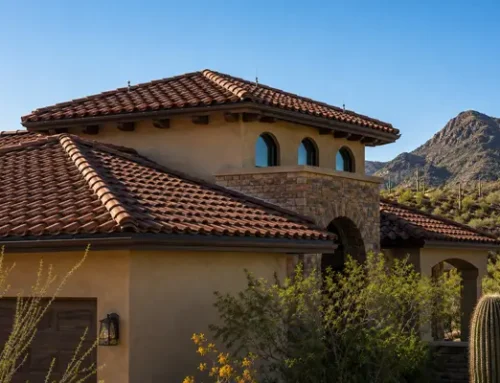
Lightning protection can be designed for homes with tile roofs. Proper installation techniques are particularly important to protect the roofing materials and maintain an appropriate system layout.
Will lightning rods make my house look unattractive?
Modern residential systems can often be installed with relatively low visual impact. Air terminals are generally small, and conductors can often be routed to minimize their appearance while maintaining the necessary system design.
Should an Arizona home with solar panels have lightning protection?
Solar panels do not automatically mean a home requires lightning protection. However, homes with photovoltaic systems contain additional electrical equipment that should be considered when evaluating lightning exposure, grounding, bonding, and surge protection.
Can an existing home have lightning protection installed?
Yes. Lightning protection systems can often be retrofitted onto existing Arizona homes as well as incorporated into new construction.
Should a lightning protection system be inspected after replacing my roof?
Yes. Roofing work can affect air terminals, conductors, connections, and other system components. A lightning protection system should be properly evaluated when significant roofing work has been performed.