Colorado is known for its dramatic mountain scenery, high elevations, and rapidly changing weather. It is also a state where thunderstorms and lightning are a regular part of the warmer months. For homeowners, especially those with exposed, elevated, rural, or mountain properties, this can raise an important question: Does my Colorado home need a lightning protection system?
There is no single answer that applies to every property. A home’s location, elevation, construction, roof design, surrounding structures, and other property-specific factors can all affect how lightning protection should be approached.
A professionally designed lightning protection system provides a controlled path for lightning current to travel toward the ground rather than through vulnerable portions of a structure.
Lightning Is a Real Consideration for Colorado Homes
Thunderstorms occur throughout Colorado, including along the Front Range, eastern plains, foothills, and mountain communities. According to the National Weather Service, Colorado experiences substantial lightning activity, with thunderstorms particularly common during the warmer months.
Homes do not need to be the tallest structure in an area to be exposed to lightning. Location, surrounding terrain, elevation, nearby trees, roof features, and other conditions can all be relevant when evaluating a property.
Homeowners in areas including Denver, Colorado Springs, Fort Collins, Boulder, Castle Rock, Parker, Greeley, Pueblo, and Colorado’s mountain and rural communities may want to consider whether lightning protection is appropriate for their property.
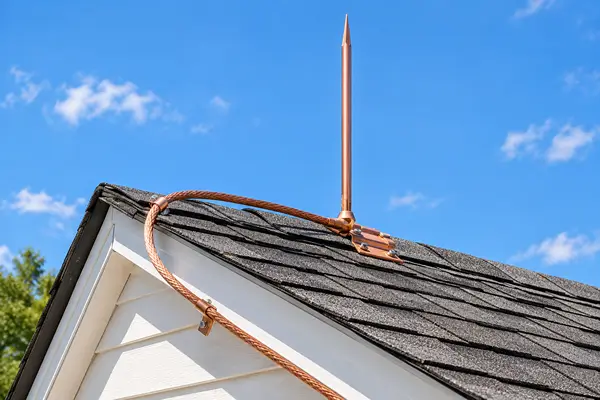
What Does a Home Lightning Protection System Do?
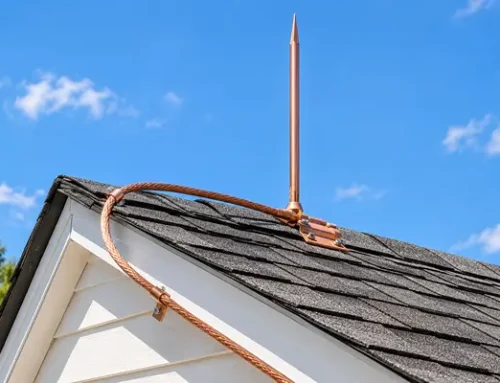
A lightning protection system does not prevent thunderstorms or stop lightning from occurring. Instead, a properly designed system is intended to intercept a lightning strike and provide a controlled conductive path toward the earth.
A complete residential system may include:
- Air terminals, commonly called lightning rods
- Conductors
- Grounding electrodes and components
- Bonding
- Connections between system components
- Surge protection as part of a broader protection approach
These components work together as a system. Simply installing an isolated lightning rod on a roof is not the same as installing a complete lightning protection system.
Which Colorado Homes May Benefit From Lightning Protection?
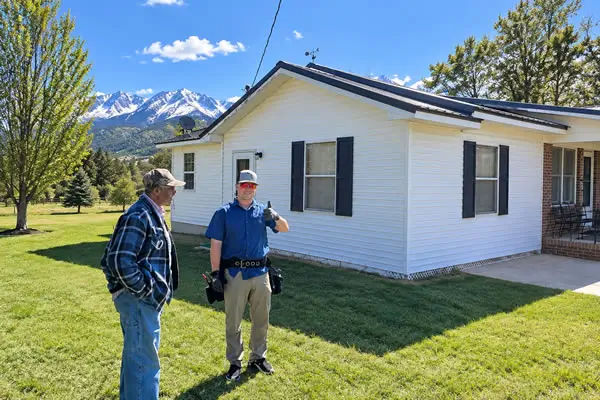
Lightning protection can be considered for many types of residential properties. Some homeowners may have additional reasons to evaluate their property, including:
- Mountain and high-elevation homes
- Homes in exposed locations
- Rural properties and large estates
- Homes with complex or elevated rooflines
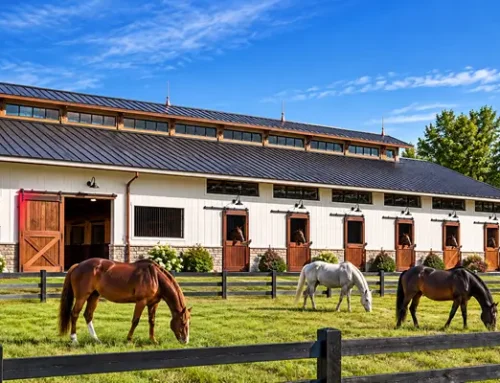
- Properties with barns, workshops, or detached structures
- Custom and luxury homes
- Homes with significant electrical and electronic equipment
- New homes where lightning protection can be incorporated during construction
A professional evaluation can help determine an appropriate system design for the individual structure rather than relying on a one-size-fits-all approach.
What About Colorado Mountain Homes?
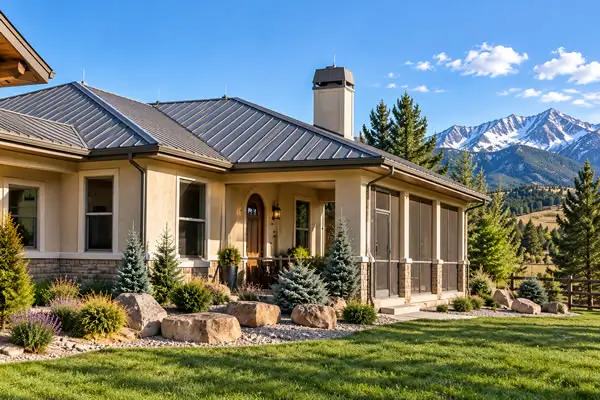
Mountain properties present some particularly interesting considerations. Homes may be located at higher elevations, on exposed terrain, or in areas where nearby structures are limited.
They can also have unusual roof configurations, multiple building levels, detached garages, workshops, barns, or other structures that need to be considered when planning a lightning protection system.
The system should therefore be designed around the actual property and structure, rather than simply installing the same configuration used on another home.
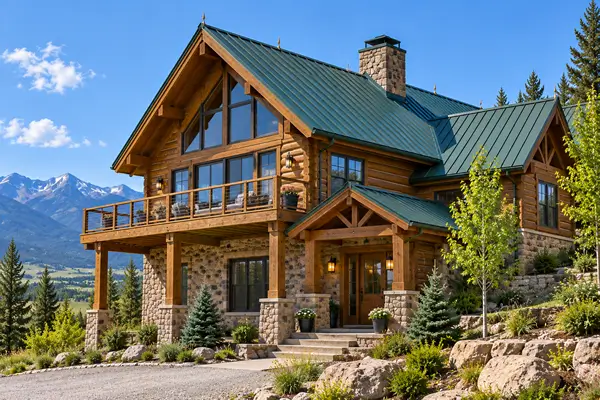
Can Lightning Protection Be Added to an Existing Home?
Yes. Lightning protection isn’t limited to new construction.
Systems can often be installed on existing Colorado homes, although the installation method will depend on the home’s construction, roof configuration, building materials, and other property characteristics.
New construction provides an opportunity to coordinate lightning protection with the builder or contractor, while existing homes can be evaluated to determine an appropriate retrofit approach.
What If I Already Have Lightning Rods?
If your Colorado home already has lightning rods, that doesn’t necessarily tell you the condition of the entire lightning protection system.
Over time, components can potentially become damaged, disconnected, altered, or affected by other work performed on the property.
This is particularly important after significant changes to a home.
Replacing Your Roof?
Roof replacement and major roofing work can affect an existing lightning protection system.
Lightning rods, conductors, connections, and other components may need to be temporarily moved or disconnected while roofing work is performed. Afterward, the system should be evaluated to make sure affected components have been properly restored.
If your Colorado home has an existing lightning protection system and you’ve recently replaced the roof, having the system inspected is a sensible next step.
What About Surge Protection?
Lightning protection and surge protection serve related but different purposes.
A structural lightning protection system provides a path for lightning current to travel toward the earth. Surge protective devices are intended to help protect electrical and electronic systems from transient electrical surges.
For some properties, both may be considered as part of a broader approach to lightning and electrical surge protection.
How Do I Know What My Colorado Home Needs?
Every property is different. Rather than deciding based solely on the size or age of the house, homeowners can consider factors such as the home’s construction, roof configuration, location, elevation, surrounding terrain, and existing lightning protection components.
A lightning protection professional can evaluate the property and discuss the appropriate options for the structure.
Professional Lightning Protection for Colorado Homes
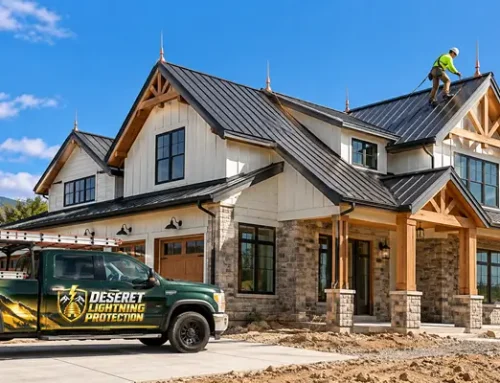
Deseret Lightning Protection provides residential lightning protection system design, installation, inspection, maintenance, and repair throughout Colorado.
We work with new and existing homes, mountain properties, rural residences, estates, and other residential properties throughout the state.
For additional information about our statewide services, visit our Colorado Lightning Protection Systems page.
Homeowners can also learn more about our Residential Lightning Protection services.
Contact Deseret Lightning Protection to discuss your Colorado property and lightning protection needs.
Lightning Is a Real Consideration for Colorado Homes
Thunderstorms occur throughout Colorado, including along the Front Range, eastern plains, foothills, and mountain communities. The National Weather Service provides Colorado-specific lightning information and climatology that can help homeowners better understand lightning activity throughout the state.
Homes do not need to be the tallest structure in an area to be exposed to lightning. Location, surrounding terrain, elevation, nearby trees, roof features, and other conditions can all be relevant when evaluating a property.
What Does a Home Lightning Protection System Do?
A lightning protection system does not prevent thunderstorms or stop lightning from occurring. According to the National Weather Service guidance on lightning rods and protection, lightning rods do not prevent lightning from striking. Instead, a properly designed lightning protection system is intended to intercept a lightning strike and provide a controlled conductive path toward the earth.
Protect Your Colorado Property with Professional Lightning Protection
Whether you own a mountain home, residential property, ranch, or commercial building, a properly designed lightning protection system can provide an important layer of protection for your property. Deseret Lightning Protection provides professional system design, installation, inspections, repairs, and maintenance throughout the state. Learn more about our Colorado Lightning Protection services and contact our team to discuss the right solution for your property.